Environmental Hazards in Real Estate: What Buyers and Sellers Need to Know
November 10, 2026

November 10, 2026
Image credit: Bas Linders (Pexels)
Buying a property involves more than evaluating its location, appearance, and price. Environmental conditions can also influence a property's safety, market value, and long-term appeal.
Some hazards are hidden within the building itself, while others originate from nearby businesses, transportation routes, or industrial activities. Understanding these potential concerns helps buyers make informed decisions and allows sellers to meet their disclosure responsibilities.
Environmental hazards are conditions that may threaten occupants' health, affect their comfort, or interfere with their ability to enjoy a property. Unlike natural hazards such as earthquakes and floods, many environmental concerns result from human activities, construction materials, or nearby land uses.
These conditions can exist inside a property or in the surrounding neighborhood. Even when a hazard does not make a home immediately uninhabitable, it may influence a buyer's willingness to purchase or the amount they are prepared to pay.
Image credit: brgfx (Magnific)
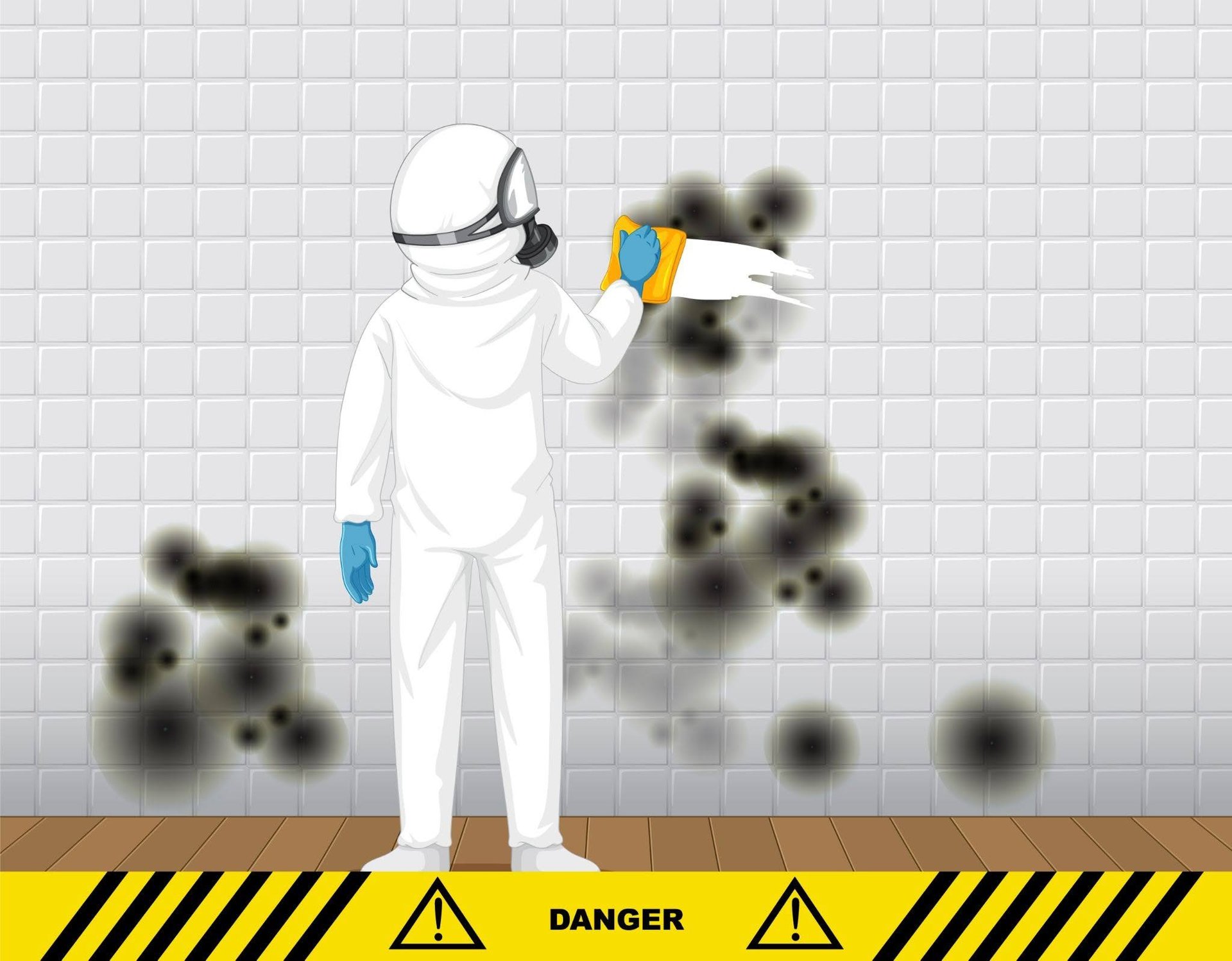
Certain environmental concerns originate from building materials, previous property uses, or inadequate maintenance. Buyers should be aware of several common examples:
A property's age and history can provide useful clues, but they cannot confirm whether a particular hazard exists. Specialized inspections or laboratory testing may be necessary.
A property can be free from visible environmental problems and still experience conditions originating elsewhere. Nearby land uses and infrastructure may affect everyday living.
For example, homes located near airports, railways, highways, factories, or industrial facilities may experience excessive noise, vibrations, odors, or air pollution. Agricultural operations can also create concerns involving pesticides, dust, machinery, and unpleasant smells.
Former military training grounds and other sites where hazardous materials were handled may warrant additional investigation. These surrounding conditions can influence neighborhood desirability and potentially affect resale value.
In California, sellers and their real estate agents have important responsibilities when communicating known material facts about a property. Environmental conditions that could influence a buyer's decision should not be concealed or overlooked.
The Transfer Disclosure Statement (TDS) provides a written method for reporting known property conditions, including certain environmental concerns. Sellers should share relevant information about previous contamination, hazardous materials, moisture problems, and other known issues.
Agents also have responsibilities to conduct the required visual inspection and disclose observable conditions within the scope of their duties. Providing the appropriate environmental hazard information helps buyers understand potential concerns before proceeding with a transaction.
Buyers should treat environmental due diligence as an important part of their property investigation. Reviewing seller disclosures is a starting point, not a substitute for independent research.
Depending on the property's age, location, and history, buyers may consider professional inspections, radon testing, mold assessments, lead-based paint evaluations, or environmental site investigations. They can also review available public records concerning nearby industrial operations and contaminated sites.
If an environmental concern is identified, buyers can discuss possible testing, remediation, repair responsibilities, or purchase agreement terms with their real estate and legal professionals.
Environmental hazards can have lasting consequences for property owners and occupants. Addressing these concerns early gives sellers an opportunity to provide accurate disclosures and helps buyers evaluate the risks before committing to a purchase.
Ultimately, a successful real estate transaction depends on more than the property's physical appearance. Understanding its environmental conditions, reviewing available information, and seeking professional guidance when necessary can help protect everyone involved.
Stay up to date on the latest real estate trends.
November 10, 2026
Buying a property involves more than evaluating its location, appearance, and price. Environmental conditions can also influence a property's safety, market value, and… Read more

November 10, 2026
Buying a home is more than finding a property and securing a mortgage. It is a financial decision that requires understanding housing costs, economic conditions, and t… Read more

October 26, 2026
Mortgage rates play an important role in determining how much buyers can afford, how sellers price their properties, and how investors evaluate real estate opportuniti… Read more

October 19, 2026
Artificial intelligence is giving real estate professionals new ways to market properties, connect with potential clients, and manage daily tasks.

October 14, 2026
When a person wants professional help purchasing or leasing real estate, a written representation agreement establishes the relationship between the client and the rea… Read more

October 5, 2026
Buying a home is a major financial decision, and buyers need accurate information about a property before committing to a purchase price.

September 30, 2026
San Diego is known for its beautiful beaches, popular attractions, and lively neighborhoods, but locals know that some of the best experiences are found away from the … Read more

September 22, 2026
Weekend farmers markets are a great way to enjoy San Diego County while shopping for fresh produce, locally made foods, flowers, baked goods, and handmade products.

September 14, 2026
Having visitors in San Diego is the perfect excuse to experience some of the city’s most beautiful sights, exciting attractions, and local favorites.
You’ve got questions and we can’t wait to answer them.