History of Lemon Grove, California: From Orchards to Suburb
June 22, 2026

June 22, 2026
Image credit: Photo from Times of San Diego
Nestled just east of downtown San Diego, Lemon Grove, California, has a rich history that reflects the broader growth of Southern California.
What began as a rural agricultural community known for its citrus groves gradually transformed into the thriving suburban city residents know today. Its journey from orchards to neighborhoods showcases decades of development, community building, and adaptation to changing times.
Image credit: Photo from LAist
During the late 1800s, the area that would become Lemon Grove attracted settlers because of its favorable climate and fertile soil. Farmers discovered that citrus trees, particularly lemon trees, flourished in the region's Mediterranean-like conditions. As a result, lemon cultivation quickly became one of the area's defining industries.
The community earned its name from the extensive lemon orchards that covered much of the landscape. Agriculture became the backbone of the local economy, with growers shipping citrus products throughout California and beyond.
The arrival of transportation networks, including rail connections, made it easier for farmers to distribute their harvests to larger markets.
Throughout the early twentieth century, lemon production remained a major economic driver. Packing houses, agricultural businesses, and related services supported local growth and helped establish a strong sense of community among residents.
Image credit: Photo from Medium
As Southern California's population expanded during the mid-1900s, Lemon Grove began experiencing significant changes. Improved highways and transportation infrastructure made commuting easier, connecting the community more closely with nearby San Diego and surrounding areas.
With increased accessibility came new opportunities for residential development. While agriculture continued to play an important role, portions of former farmland gradually gave way to homes, schools, parks, and local businesses. The community evolved from a primarily agricultural settlement into a more diverse suburban environment.
This transition reflected broader trends occurring throughout the region. Many communities that once relied heavily on farming began adapting to the needs of growing populations. Lemon Grove successfully balanced preserving aspects of its agricultural heritage while embracing modern development.
A major milestone occurred in 1977 when Lemon Grove officially incorporated as a city. Incorporation provided local leaders and residents with greater control over planning, services, and future growth. In the decades that followed, city officials focused on enhancing public infrastructure, supporting local businesses, and maintaining community spaces.
Parks, recreational facilities, and civic projects helped strengthen the city's identity while accommodating a growing population.
Although many of the original orchards disappeared over time, reminders of Lemon Grove's agricultural roots remain visible throughout the city. Historical landmarks, community events, and local traditions continue to celebrate the area's connection to citrus farming.
Image credit: Photo from San Diego Reader
Today, Lemon Grove is a well-established suburban community that offers convenient access to employment centers, educational institutions, shopping destinations, and recreational opportunities throughout the greater San Diego region.
The city blends residential neighborhoods with commercial districts while maintaining a distinct local character.
Modern development has transformed the landscape considerably from its orchard-filled beginnings, yet the community continues to honor the history that shaped its foundation. The iconic giant lemon landmark serves as a symbol of the city's agricultural past and remains a point of pride for residents and visitors alike.
The history of Lemon Grove is a story of transformation and resilience. From vast lemon orchards that fueled the local economy to a vibrant suburban city connected to the greater San Diego area, Lemon Grove has continuously adapted to changing needs and opportunities.
While growth has reshaped the community, its agricultural heritage remains an important part of its identity, reminding future generations of the roots from which the city grew.
Stay up to date on the latest real estate trends.

October 19, 2026
Artificial intelligence is giving real estate professionals new ways to market properties, connect with potential clients, and manage daily tasks.

October 14, 2026
When a person wants professional help purchasing or leasing real estate, a written representation agreement establishes the relationship between the client and the rea… Read more

October 5, 2026
Buying a home is a major financial decision, and buyers need accurate information about a property before committing to a purchase price.

September 30, 2026
San Diego is known for its beautiful beaches, popular attractions, and lively neighborhoods, but locals know that some of the best experiences are found away from the … Read more

September 22, 2026
Weekend farmers markets are a great way to enjoy San Diego County while shopping for fresh produce, locally made foods, flowers, baked goods, and handmade products.

September 14, 2026
Having visitors in San Diego is the perfect excuse to experience some of the city’s most beautiful sights, exciting attractions, and local favorites.
September 9, 2026
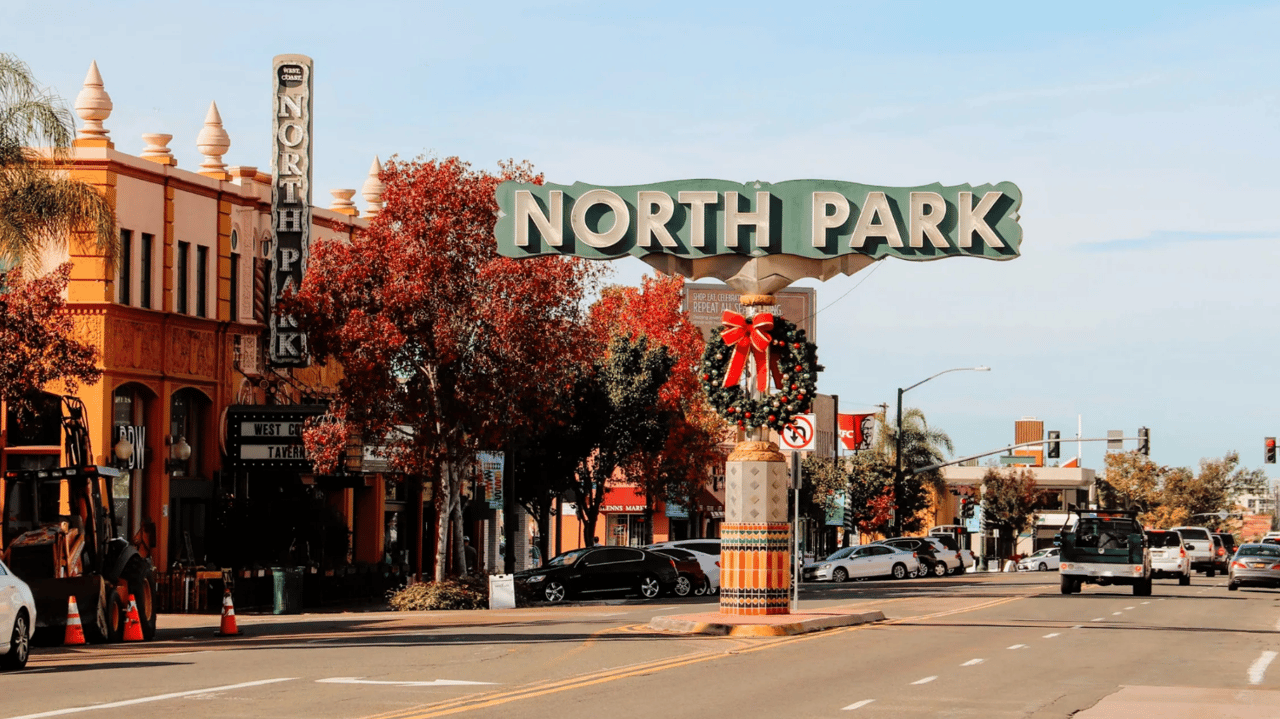
For homebuyers searching for a neighborhood that combines urban energy, community charm, and convenient access to the best of San Diego, North Park is an area worth co… Read more

September 2, 2026
San Diego is a fantastic destination for dog lovers, offering sunny beaches, spacious parks, scenic walking areas, and plenty of places where your four-legged companio… Read more

August 24, 2026
San Diego County is famous for its beaches, sunshine, and well-known destinations, but some of its most interesting places can be found away from the usual tourist rou… Read more
You’ve got questions and we can’t wait to answer them.


